
Concrete contractor in Highland, IN - built on a packed base that drains
Highland Concrete is a concrete contractor based in Highland, Indiana. We pour driveways, patios, sidewalks, steps, garage floors and foundations here, and I come out to look at every job and stay on site with our crew through the finish.
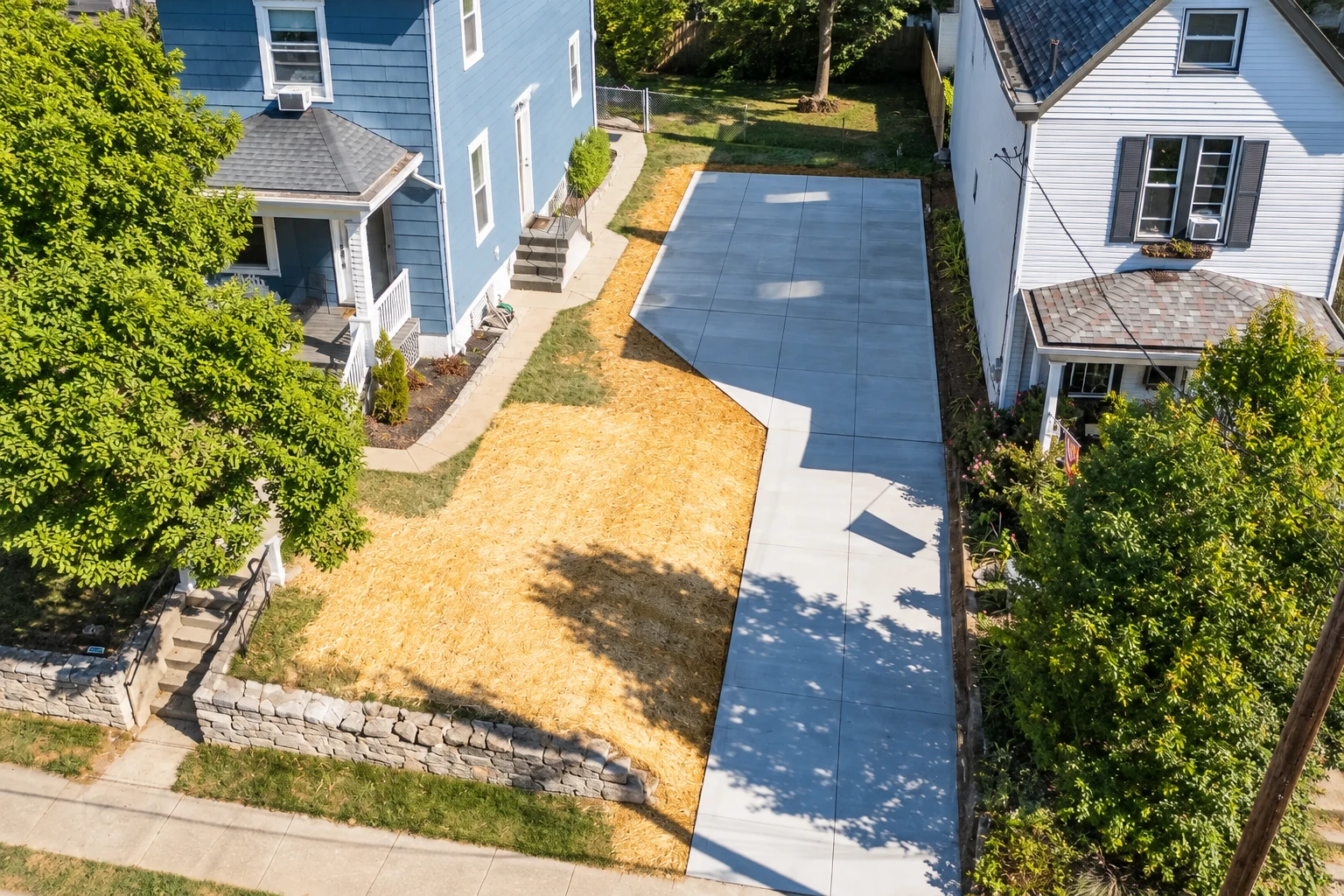
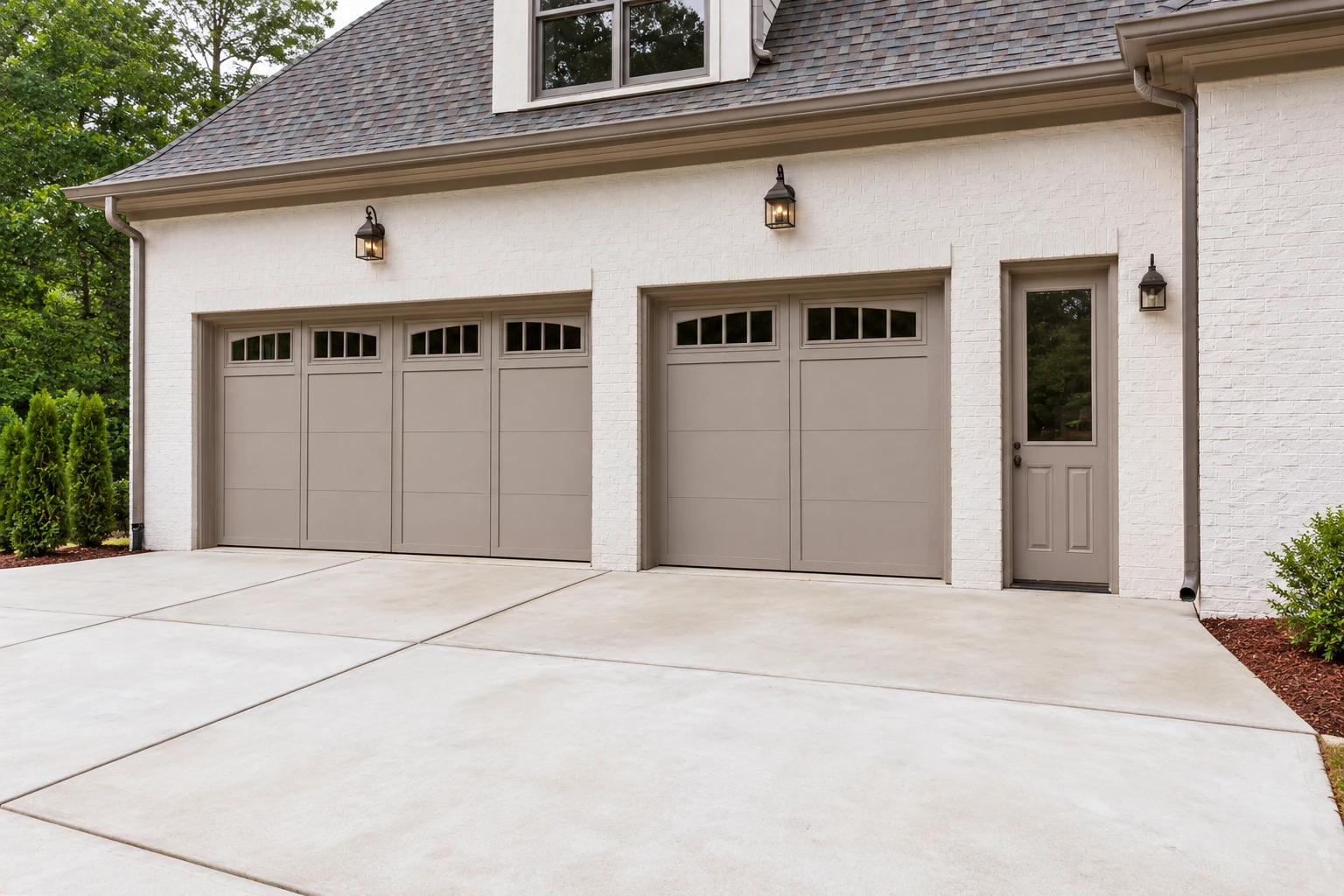
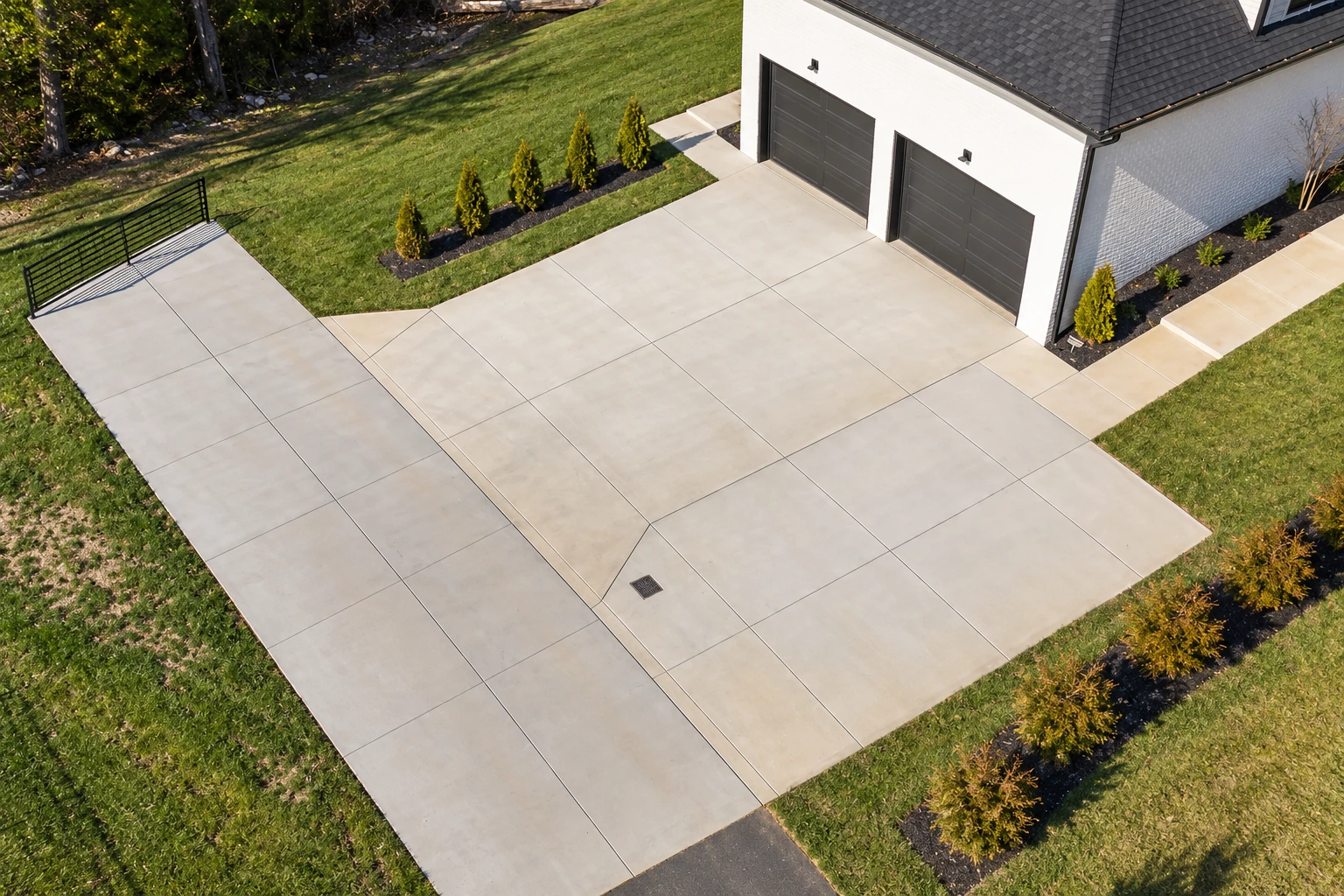
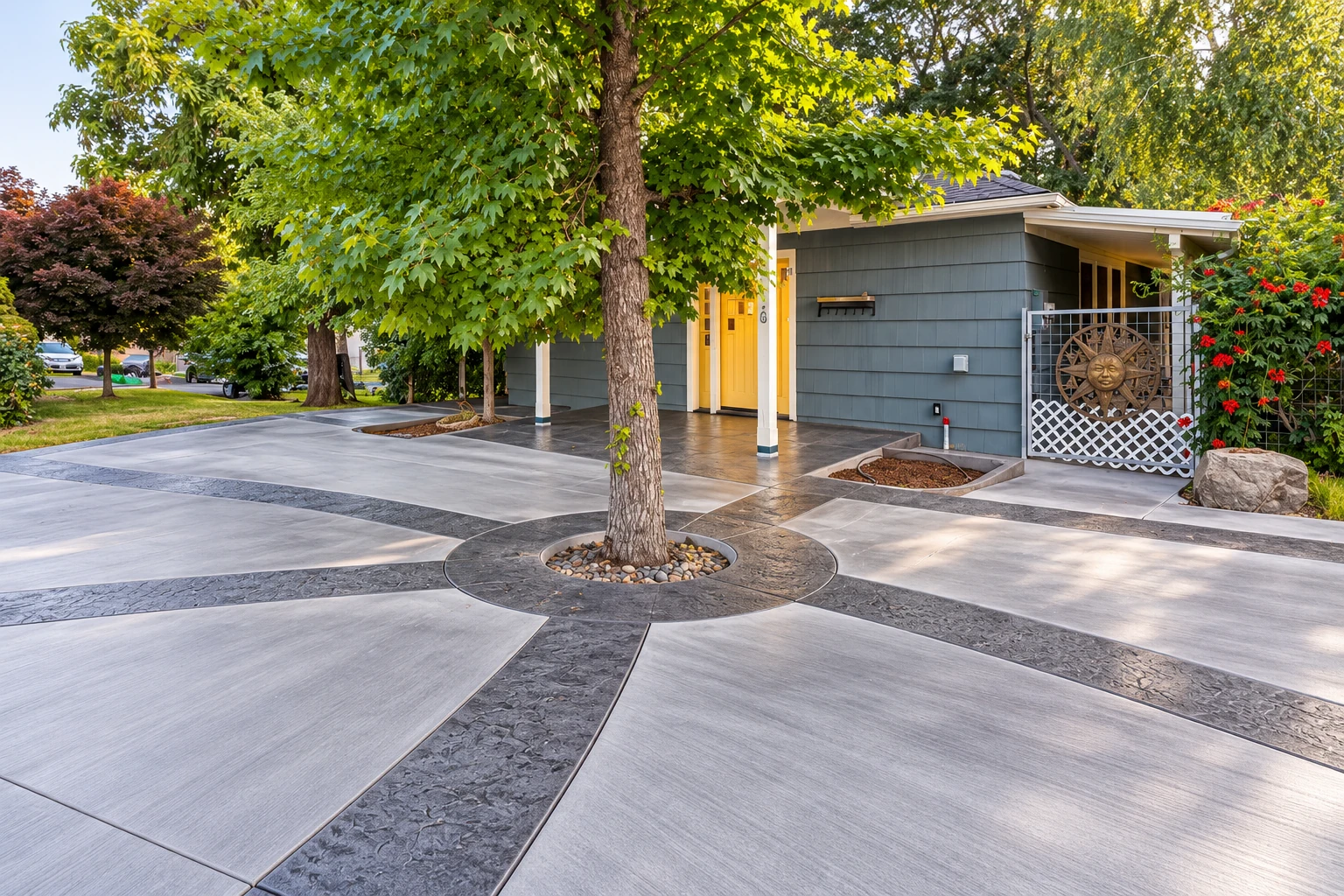
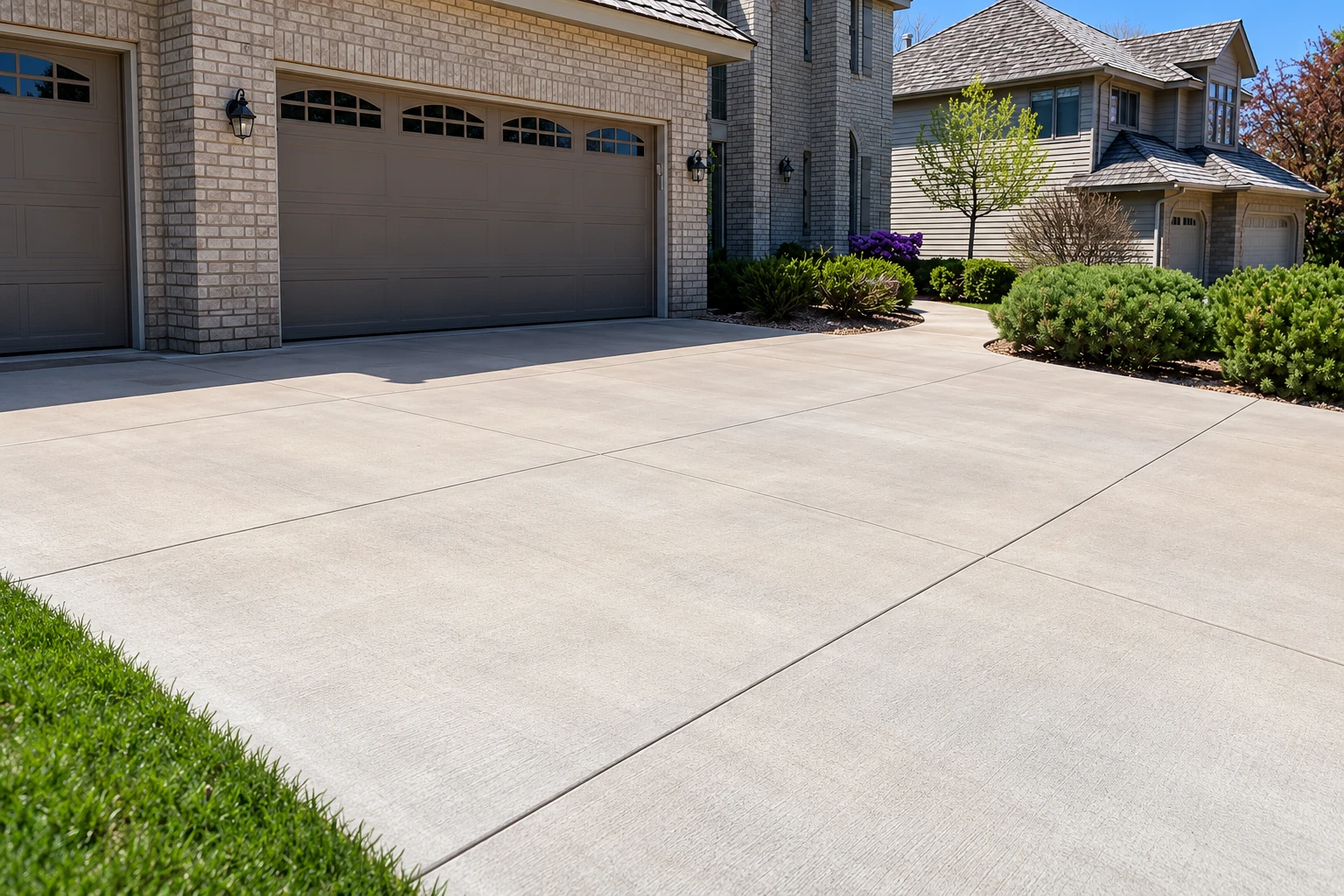
Concrete work in Highland, our home city
Highland is where we're based, and most of our work here is on house lots: driveways that run back to the garage, back patios, front walks and stoops, and garage and basement floors. A lot of these slabs have been down long enough to crack, sink at the edges or hold a puddle by the door, and that's usually what gets people to call. We also pour for small business and rental property owners here, and we do the same work in Hammond, Munster and Griffith.
The ground here is mostly flat, so water doesn't run off a yard on its own and the slope we set on each slab has to do that job. That's why I look at where your water goes and what's under the old slab before we ever talk about finishes.
What we pour and fix in Highland
Highland driveways take daily cars and winter plowing, so we dig out soft soil and firmly pack the subgrade, the ground the slab sits on.
Patios here often replace an old slab that sank toward the back door, so we fix the base and slope first, then talk size and finish.
Stamped concrete gives a patio or walk the look of stone or brick. We'll talk through how the pattern handles shoveling and winter salt here.
Front walks and side paths often sink where downspouts and roots work under them. We tear out the bad sections, rebuild the base and repour.
When an old garage slab has cracked, sunk at the door or soaked up years of road salt, we break it out and pour a new floor.
Colored and textured finishes suit a front entry or a patio you see every day. We'll explain the upkeep each one needs through a Highland winter.
Where a yard steps down or a slope crowds a drive, we build walls with drainage behind them, because trapped water is what pushes a wall over.
Highland basement and shop floors are often the tight jobs other crews pass on. We plan how the concrete gets in and how the floor drains.
Backyard pool decks here need grip when wet, so we choose a textured finish and pitch the slab so splash water runs to the yard.
Front steps take snow, shovels and salt all winter, so we set steel rebar inside to hold them together and keep each rise even.
For a new garage, addition or shed here, we check the ground and the drainage first, because a slab is only as good as what's under it.
Highland's cold winters mean new foundation walls have to reach below where the ground freezes, so we dig, form and pour them to that depth.
For small businesses and rental properties here, we pour parking areas built for daily traffic, with the base and drainage planned before anything else.
A deck or porch that sags usually has a footing that moved. We dig new ones to full depth and pour them where the plan calls.
If a slab or stoop has sunk and tipped water back toward the house, raising it can sometimes beat tearing it out. I'll tell you when it won't.
We cut openings for doors and window wells in Highland basements, trenches for new lines, and clean edges when only part of a driveway needs replacing.
What Highland winters and flat lots ask of concrete
You can count on a straight answer about what holds up here, even when that means telling you a plan won't work, and on the hidden work under the slab being done right.
The owner on every job
I come out to look at every job and stay on site with our crew for the prep, pour and finish.
Base before finish
On a tight budget, we'd trim the finish before the base, since the base is what keeps a slab from sinking.
Slabs pitched away from houses
We check where your yard sends water before we set forms, so the slab drains away from your foundation.
Pours timed to the weather
We avoid pouring in midday heat or ahead of a hard freeze, since either can leave a weak top that chips.
Joints cut before cracks start
Control joints give a slab a planned place to crack, so we cut them early, before it picks its own.
Highland concrete questions we hear
How much does a concrete driveway cost in Highland, IN?
The price mostly comes down to the size of the slab, how much old concrete and soft soil has to come out, and how much base we bring in and pack before the pour. Thickness, rebar, the finish you pick and how close a truck can get all move it too, and a plain broom finish, the light texture that gives tires and boots grip, costs less than stamped or colored work. I walk the job with you, ask how you'll use it and put in writing what the price includes.
How long does new concrete take to cure before I can drive on it in Highland?
You can usually walk on a new slab well before you can drive on it, because curing, the slow hardening that gives concrete its strength, keeps going long after the top looks dry. Cold weather slows it down here, so a late fall pour can mean a longer wait than a summer one. When I walk the job, I'll tell you how long you'll be without the driveway or patio and what sets the start date, which is mostly the weather and how much tear-out and base work it needs.
What causes concrete to crack and chip in Highland?
Most cracking and chipping here starts with water getting into or under the slab and freezing, and our winters give it plenty of chances. The nearest long-term weather station, about 12 miles away in Park Forest, IL, averages January lows around 15°F, about 28 inches of snow and about 42 inches of rain and snow a year, with June the wettest month. That's why we pack the base, pitch the slab away from the house and cut control joints on time, so the slab stays drained and any cracks land where we planned them.
Do I need a permit to replace a driveway or patio in Highland, IN?
We check that for your job with the Town of Highland's building office before we set a date, because the rules differ from one city to the next. If your job needs a permit, we take care of the paperwork and line up the inspections. We're licensed and insured, and I'll tell you what the office said when we confirm the schedule.
When does concrete work in a floodway need a state permit in Indiana?
A state permit comes into play when the site lies in a floodway or the work involves a public freshwater lake, and the state DNR's Division of Water handles those permits. It issues them for things like construction in a floodway and seawalls. If your yard sits low or near a waterway, we'll look at that before we plan the pour, and the floodplain map below is a good place to start.
How do I check if my Highland property is in a floodplain?
Look up your address on the Indiana Floodplain Information Portal, a public mapping tool from the same state office. It shows FEMA and state floodplain maps and flood elevation points along waterways, which is worth seeing before you plan a patio, a garage slab or a retaining wall. If your lot shows up in or near one, tell me when I come out so we can plan the drainage around it.
Don't see your city? Give us a call
Pick another city below, on either side of the state line, or call (219) 533-1721 if yours isn't listed, because we work beyond these.
Ask Highland Concrete for an estimate
Call (219) 533-1721 or use the form, and mention where water sits or the slab has sunk, so I know what to look at first.