
Concrete contractor in Hammond, IN - solid slabs for older city lots
Highland Concrete is a concrete contractor based in Highland, IN, pouring driveways, patios, sidewalks, garage floors, steps and foundations in Hammond, and replacing the cracked, sinking slabs that come with the city's older houses.
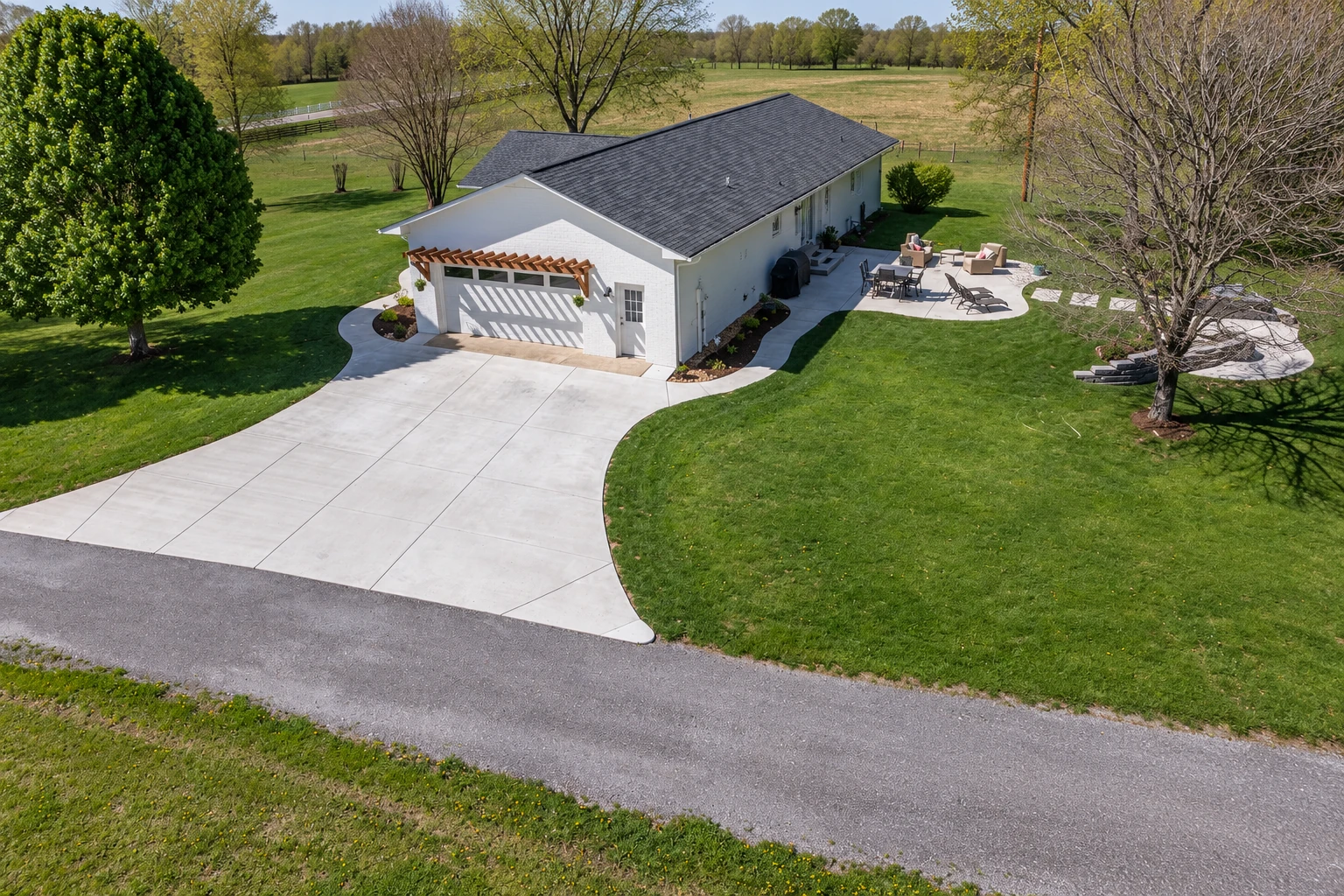
Concrete work in Hammond's older neighborhoods
Hammond is one of the older, more built-up cities we work in, with houses set close together on narrow lots, alleys behind a lot of blocks, detached garages out back and shops and small businesses along the main streets. Most calls here come from homeowners, same as next door in Munster and nearby in Griffith.
The concrete we tear out on these lots was often poured on a thin base and has been through decades of freeze and thaw, so it has settled, cracked or tipped water back toward the house. Tight side yards and alley-only access decide how we get forms, equipment and the truck in, and that access, the tear-out, how much soft ground has to come out and the finish you pick are what move the price. The schedule turns on the weather, the cure and any permit, and when I walk the job with you, I put in writing what the price includes.
Concrete work we do in Hammond
Many Hammond driveways are old, thin slabs that have sunk or cracked, so we tear them out and pour on a base that's dug out and packed.
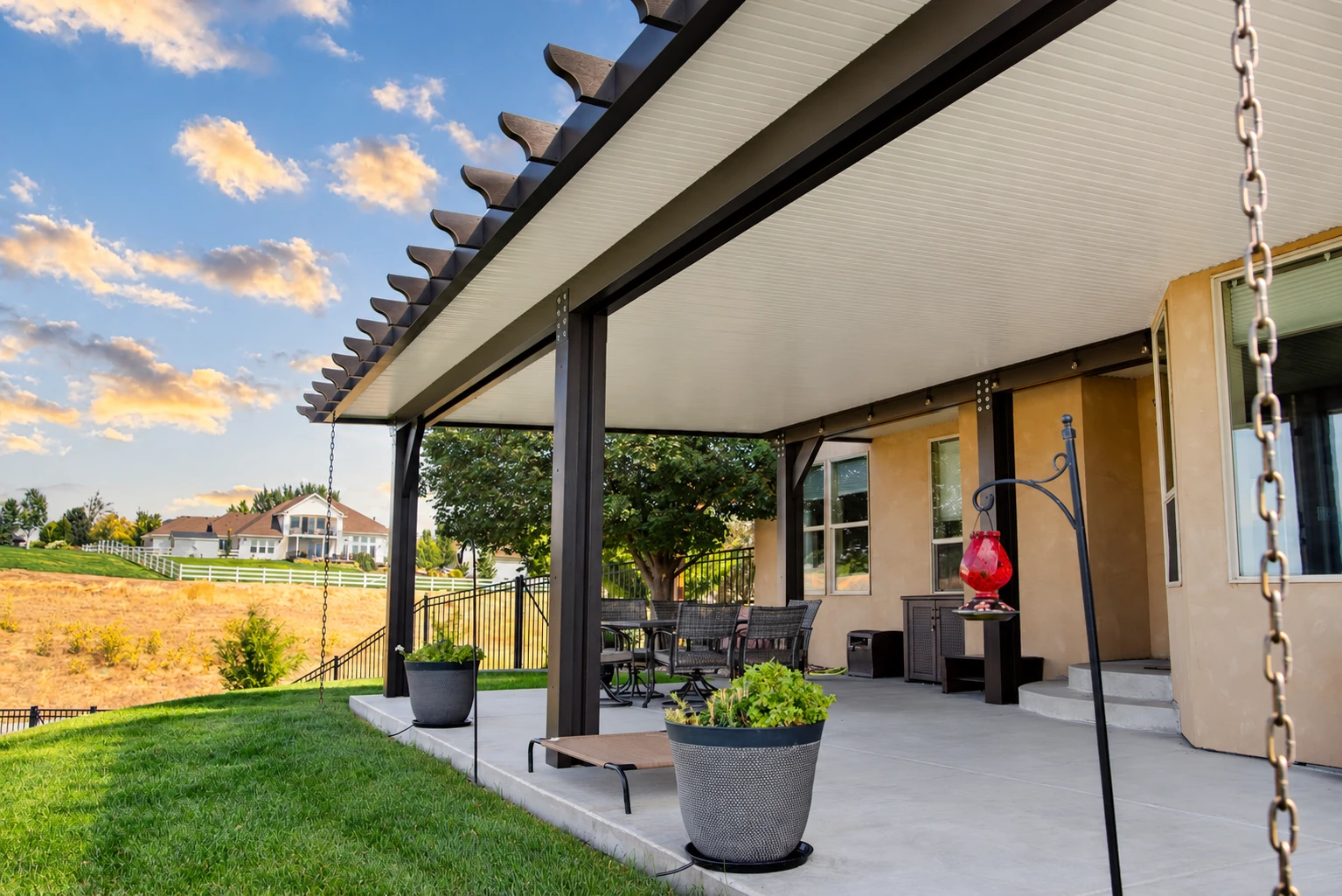
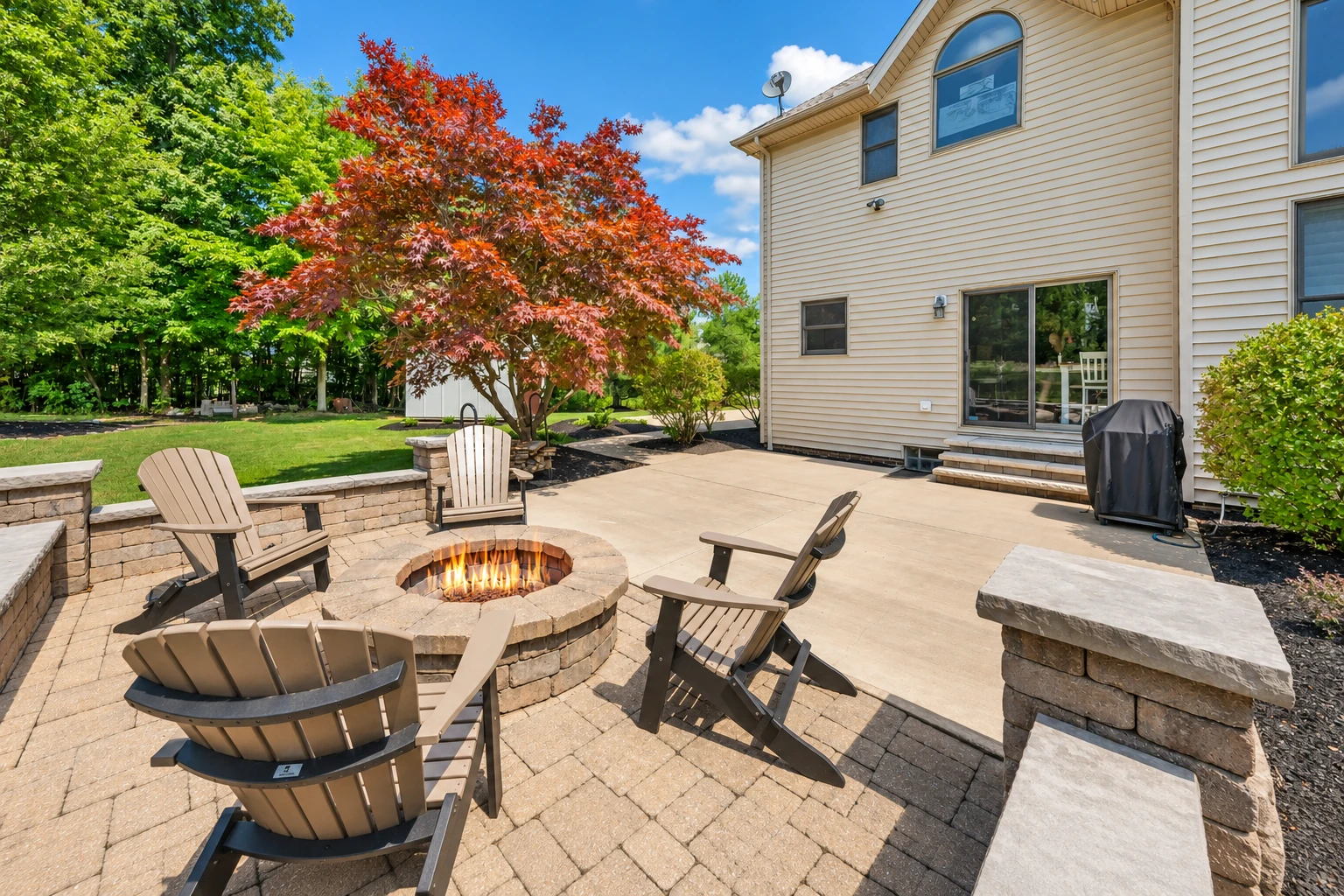
On a narrow city lot, a back patio has to send rain away from your house and your neighbor's, so I work out the slope before we form anything.
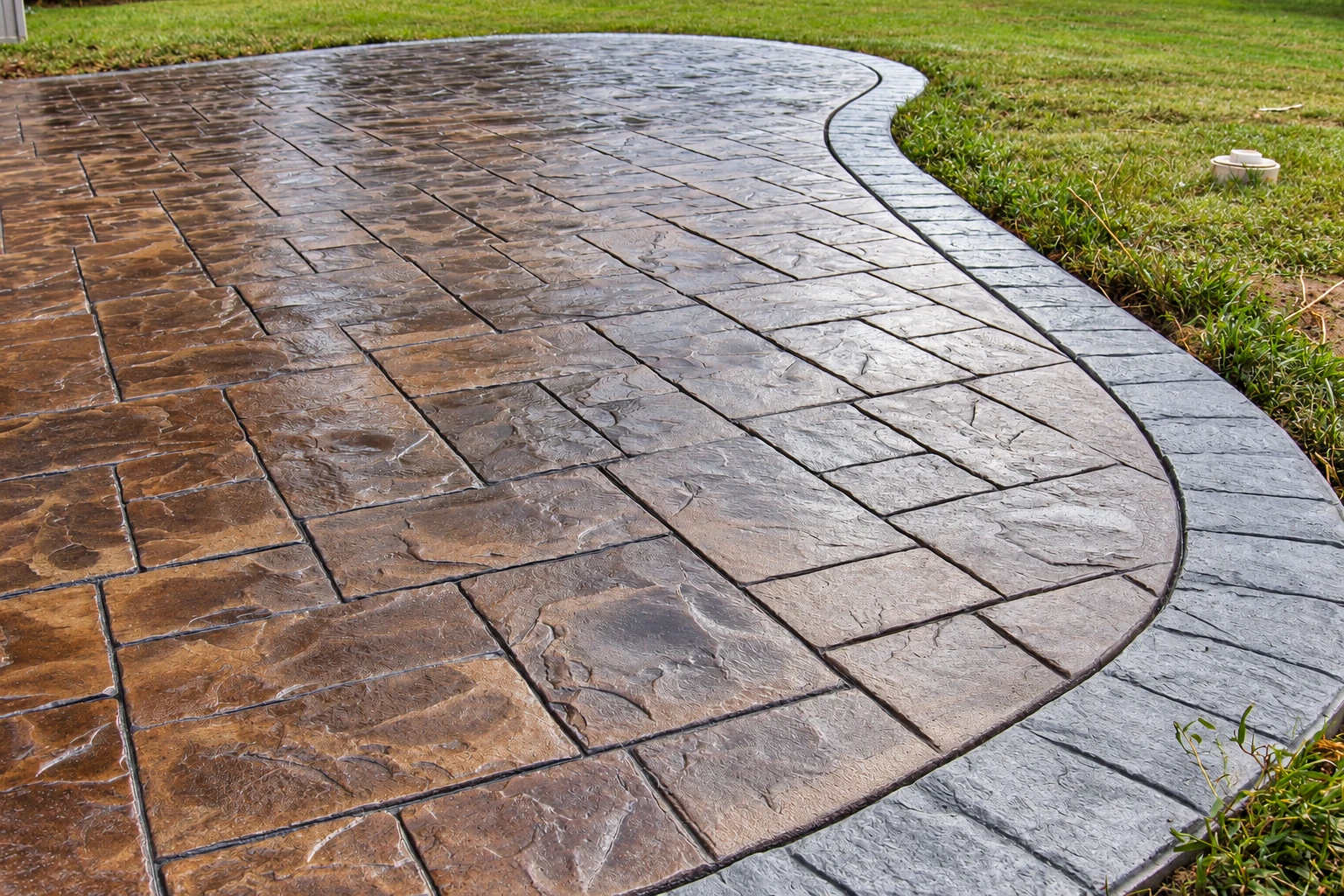
Stamped concrete, pressed with a stone or brick pattern, can dress up a small front walk or patio, and it needs the same solid base as plain concrete.
For front walks and the path from an alley garage, we cut control joints, grooves that give a crack a place to go, soon after the pour.
Detached garages behind older Hammond houses often have floors that have cracked and dropped, and we break out the old slab and repour it on firm ground.
Colored or textured concrete can give an older house a cleaner front entry, and I'll tell you plainly when a plain finish serves you just as well.
Where a yard drops toward the alley or the next lot, a concrete wall holds the soil back, and we plan for the water behind it first.
Basements and shop floors in older Hammond buildings are often tight to reach, and those are jobs we take, planning how the concrete gets in before pour day.
Around a backyard pool we usually give the deck a broom finish, a lightly brushed texture that grips wet feet, and slope it away from the house.
Front stoops on older houses here often crumble at the edges or pull away from the house, so we rebuild them with steel inside on a solid footing.
For a new garage or addition on a city lot, we pour the slab on a dug-out, packed subgrade, which is the ground the slab sits on.
When a house or garage goes up on a Hammond lot, I look at the ground and where the water heads before we set a single form.
Small business and property owners along Hammond's busier streets call us for lots and pads that drain to the right spot and stand up to daily traffic.
Footings carry the weight of a porch, garage or wall, so we dig them below where the ground freezes and pour them before anything goes on top.
When a slab or a corner of the house has settled, raising it can make more sense than tearing it out, and I'll tell you which fits.
We saw-cut openings, trenches and clean edges in existing concrete, which helps on tight lots where you want one section replaced and the rest kept.
What Hammond's older lots ask of a slab
I come out to look at every Hammond job myself and walk it with you, so the plan fits how you'll actually use the space.
Dug out and packed base
We dig out soft dirt and pack the base, because a slab only holds up as well as what's under it.
Water headed away from the house
Before we form, we check where the water runs so the new slab falls away from your foundation, not toward it.
Permits handled with the city
If your job needs a permit, we do the paperwork and set up inspections with Hammond's building office.
A straight answer on your plan
If a plan won't hold up through a few winters, I'll tell you why before we pour, not after.
Licensed, insured and on site
We're licensed and insured, I'm on site for the prep, pour and finish, and our promise is "Your satisfaction, guaranteed."
Questions we hear from Hammond homeowners
Who issues building permits for concrete work in Hammond, IN?
Building permits in Hammond come from the city's Building Division, part of the Inspections Department, which issues them for construction and remodeling inside city limits and handles the inspections. Its office is in City Hall, and the number is 219-853-6317. If your job needs a permit, we take care of the paperwork and line up the inspections, and we check with that office before we set a date.
Does a concrete contractor have to be registered with the city of Hammond?
Yes, Hammond requires any contractor, subcontractor or specialty contractor working inside city limits to be registered with the city, and the Building Commissioner can take an unlicensed contractor to court. The city tests contractors in several trades, concrete among them, and licenses renew each January, so it's fair to ask anyone you're thinking of hiring whether theirs is current.
Which building code applies to a house in Hammond, Indiana?
Houses in Hammond fall under the Indiana Residential Code, which the state applies to all construction on one- and two-family homes and their accessory structures, such as a detached garage, anywhere in Indiana. It's built on the International Residential Code, and the city uses its permits to enforce the state's building code along with its own local rules.
How much does a new concrete driveway cost in Hammond, IN?
Your price comes down to the size of the slab, whether the old concrete has to be broken out and hauled away, how much soft ground has to be replaced with packed base and how easy it is to get the truck to the spot. Alley-only access or a tight side yard can mean more handwork, and a stamped or colored finish costs more than a plain one. If the budget is tight, I'd keep the money in the base and go with a plain finish, because the base is what decides whether the slab is still flat a few winters from now. The free estimate spells out what the price includes.
What causes concrete driveways to crack and sink in Hammond?
Most cracked, sinking driveways we see in Hammond were poured on a base that was raked level instead of dug out and packed, so the slab settled along with the dirt. Water running under the slab, hard winters and joints cut late or skipped do the rest. We pack the base, slope the slab away from the house, set rebar, steel bars that hold the concrete together if it cracks, where the job calls for it, and cut joints on time so any crack lands in the groove instead of across the middle.
How long does a new concrete driveway need to cure before I can drive on it?
You'll be back on it on foot well before you can park on it, because curing, the slow hardening that gives concrete its strength, keeps going for days after the pour. How long depends on the mix and the weather, and a cool spring or fall slows it down, so we'll tell you when it's ready for walking and for driving before we leave. We also schedule the pour to dodge midday summer heat, which can leave a weak, dusty top later on.
Not in Hammond? Call us anyway
We pour concrete across the cities listed here and more besides, so if your city isn't on the list, call (219) 533-1721 and ask.
Ask Highland Concrete about your Hammond slab
Call (219) 533-1721 any day of the week, evenings included, or use the form to tell us what's going on with your driveway, patio or steps.